
J-AASJ 2025-1 vol.7
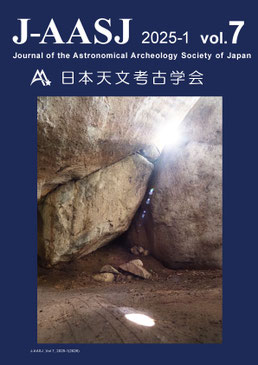
日本天文考古学会の学会誌7号
2026年3月1日発刊
A4版オールカラー44ページ
一冊、送料・税込みで3000円
本会誌を入手したい方は、お問い合わせのページからお申し込みください。
表紙写真:岐阜県下呂市の金山巨石群に差し込む太陽の光 撮影 徳平尚彦
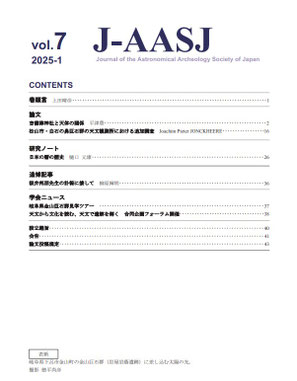
--------目次-----------
●巻頭言 上田晴彦
論文
●吉備津神社と天体の関係 平津豊
●松山市・白石の鼻巨石群の天文観測所における追加調査 Joachim Pieter JONCKHEERE
研究ノート
●日本の暦の歴史 樋口元康
追悼記事
●桜井邦朋先生の訃報に接して 柳原輝明
学会誌 要約紹介 通巻7 2025年1巻1号
VOL7-1◆(論文)吉備津神社と天体の関係 平津豊
An astronomical archeology Study of the Kibitsu Shrines and Celestial Alignments
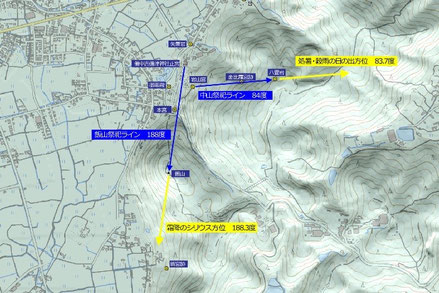
吉備津神社(備中)、吉備津彦神社(備前)、吉備津神社(備後)の社殿方位と天体現象との関係を天文考古学的に検証した結果、備前および備後の両神社では、太陽軌道の特異点を反映する設計が確認された。一方、備中の吉備津神社の社殿は、磐座である八畳岩ではなくシリウスのヒライアカル・ライジングが観測される方向に向けられており、これは統治者交代に伴う祭祀体系の転換を示唆するものと考えられる。これらの結果、三社の社殿は、天体現象を通じて神聖性を強調しつつ、宗教的・政治的意図を表現したものである可能性が示された
An astronomical archeology investigation of the relationship between the orientations of the main halls of Kibitsu Shrine (Bitchū), Kibitsuhiko Shrine (Bizen), and Kibitsu Shrine (Bingo) and celestial phenomena revealed that the shrines in Bizen and Bingo were designed to reflect specific points on the solar path. In contrast, the main hall of the Bitchū Kibitsu Shrine is oriented not toward the sacred rock(Iwakura) known as Hachijō-iwa, but toward the direction in which the heliacal rising of Sirius can be observed. This orientation suggests a possible transformation of the ritual system accompanying a change in political authority. These findings indicate that the architectural orientations of the three shrines were likely intended to emphasize sacredness through celestial phenomena while simultaneously expressing religious and political intentions.
VOL7-2◆(論文)松山市・白石の鼻巨石群の天文観測所における追加調査 Joachim Pieter JONCKHEERE
Additional Research on the Shira-ishi-no-hana Megalithic Astronomical Site
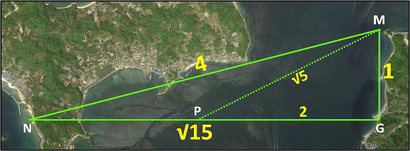
愛媛県松山市にある白石の鼻巨石群とカサネ石巨石群の天文観測所で追加調査を行い、前者のエリアがこれまで考えられていたより広域にわたっており、また両所の設計者が高い数理・天文知識を有していたことを示唆する証拠を得た。白石の鼻巨石群とカサネ石巨石群の文化的価値は、縄文時代あるいは海水面がもっと低い時代において、高度文明の痕跡であると考える理由を本稿で述べる。
Additional research of the megalithic astronomical sites of Shira-ishi-no-hana and Kasane-ishi in Matsuyama City, Ehime Prefecture, suggests that Shira-ishi-no-hana may have been larger than previously assumed, and that the builders of both sites may have possessed sophisticated mathematical and astronomical knowledge. Likely constructed during the Jomon period or at a time when the sea level was lower than at present, these sites may be of noteworthy cultural interest.
VOL7-3◆(研究ノート)日本の暦の歴史 樋口元康
History of the Japanese Calendar
日本列島における暦法の変遷は、古代の自然暦から近代のグレゴリオ暦導入に至るまで、単なる計時法の変化に留まらず、国家権威の確立、大陸文明との受容・変容、さらには独自の科学的発展の軌跡を反映している。本稿では、これら暦法の変遷を、その社会的な意義と技術的な側面に着目して考察する。
The history of calendrical systems in Japan, spanning from primitive natural calendars to the adoption of the Gregorian calendar, transcends simple chronological changes. It embodies the consolidation of political power, the assimilation and adaptation of continental influences, and the distinct path of domestic scientific progress. This study investigates these historical shifts through the lens of their social implications and technical characteristics.